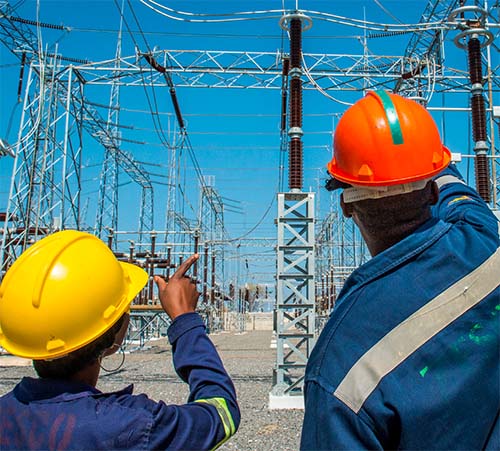
For people: Electricity is a lifeline. It transforms everyday life across Africa, especially in rural or vulnerable communities, creating economic opportunities for everyone, particularly youth.

For economies: Under Mission 300, we’re supporting country-led solutions to deliver power. The goal is to identify a balanced, least-cost energy mix that can expand access at scale and drive modern economic development.
For jobs: A Mission 300 is improving the reliability and affordability of energy, enabling businesses to launch or expand. This drives innovation and lays the foundation for job creation.

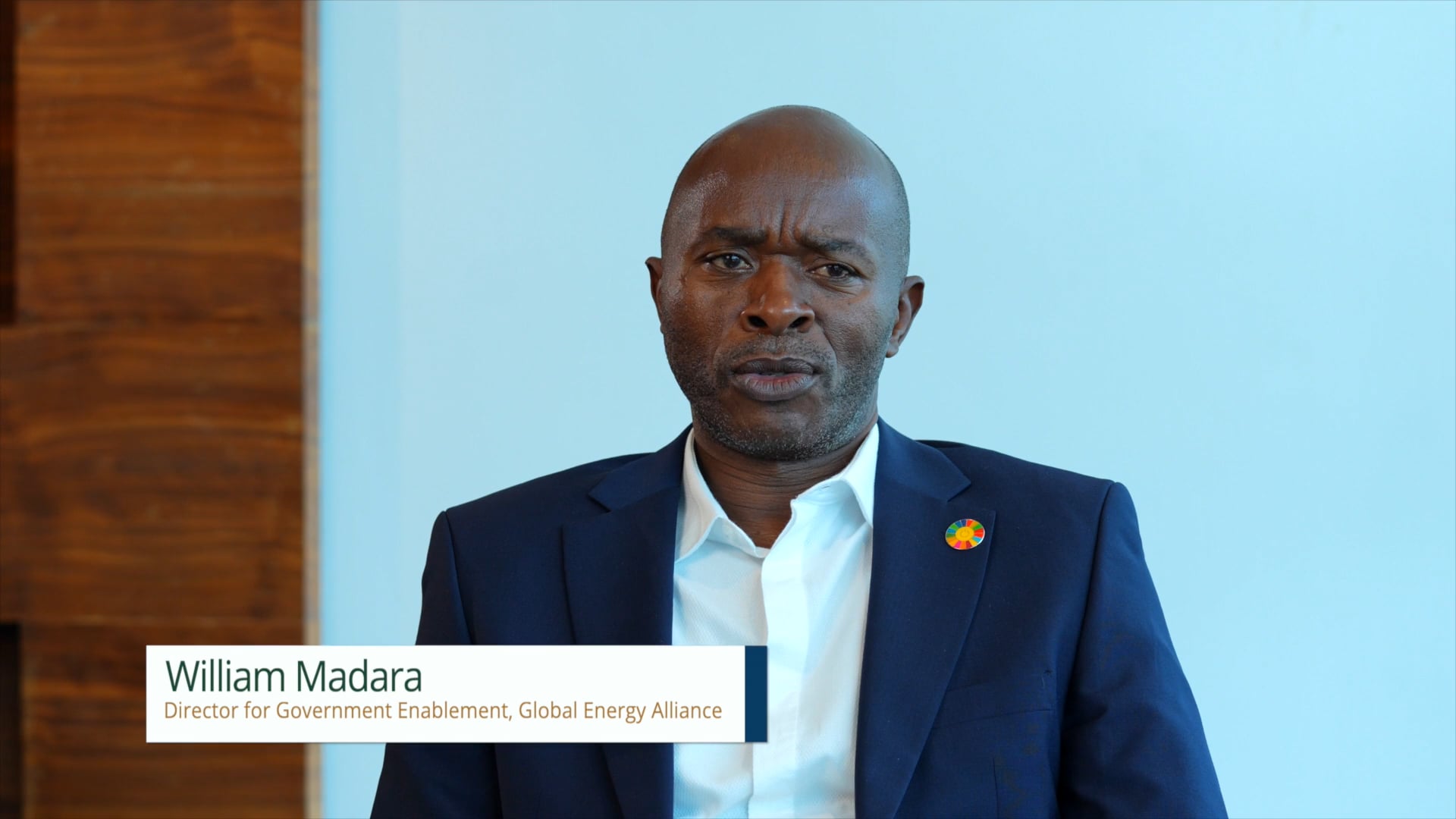

The World Bank Group and the African Development Bank are scaling up financing and technical assistance to deliver energy access to 300 million people.

African governments are taking the lead on critical reforms and actions to modernize the energy sector encapsulated in a regional declaration and deep dive National Energy Compacts, setting measurable targets in five areas:
- Expanding cost-efficient power generation.
- Boosting regional power integration for cross-border trade.
- Scaling up last-mile electrification with distributed renewable energy solutions.
- Unlocking private investment through supportive regulatory frameworks.
- Strengthening utilities with transparent financial management and cost recovery.

The World Bank Group and the African Development Bank are scaling up financing and technical assistance to deliver energy access to 300 million people.

African governments are taking the lead on critical reforms and actions to modernize the energy sector encapsulated in a regional declaration and deep dive National Energy Compacts, setting measurable targets in five areas:
- Expanding cost-efficient power generation.
- Boosting regional power integration for cross-border trade.
- Scaling up last-mile electrification with distributed renewable energy solutions.
- Unlocking private investment through supportive regulatory frameworks.
- Strengthening utilities with transparent financial management and cost recovery.

The private sector is critical in scaling up energy access and distributed renewable energy solutions such as mini-grids and standalone solar systems. Private investment is equally vital in expanding generation, transmission and distribution. Achieving Mission 300 will demand effective public-private collaboration to unlock sustainable energy solutions.

Local communities and people are being put center-stage to ensure energy projects and investments are tailored to their needs and deliver maximum impact on the ground. This includes regular consultations and surveys throughout the design and implementation of projects.

Donors, philanthropies, and partners, such as the Energy Sector Management Assistance Program (ESMAP), the Sustainable Energy for Africa (SEFA), the Rockefeller Foundation, Sustainable Energy for All (SEforALL), and the Global Energy Alliance for People and Planet (GEAPP), are helping to mobilize more public and private financing to reach our goal.

The private sector is critical in scaling up energy access and distributed renewable energy solutions such as mini-grids and standalone solar systems. Private investment is equally vital in expanding generation, transmission and distribution. Achieving Mission 300 will demand effective public-private collaboration to unlock sustainable energy solutions.

Local communities and people are being put center-stage to ensure energy projects and investments are tailored to their needs and deliver maximum impact on the ground. This includes regular consultations and surveys throughout the design and implementation of projects.

Donors, philanthropies, and partners, such as the Energy Sector Management Assistance Program (ESMAP), the Sustainable Energy for Africa (SEFA), the Rockefeller Foundation, Sustainable Energy for All (SEforALL), and the Global Energy Alliance for People and Planet (GEAPP), are helping to mobilize more public and private financing to reach our goal.